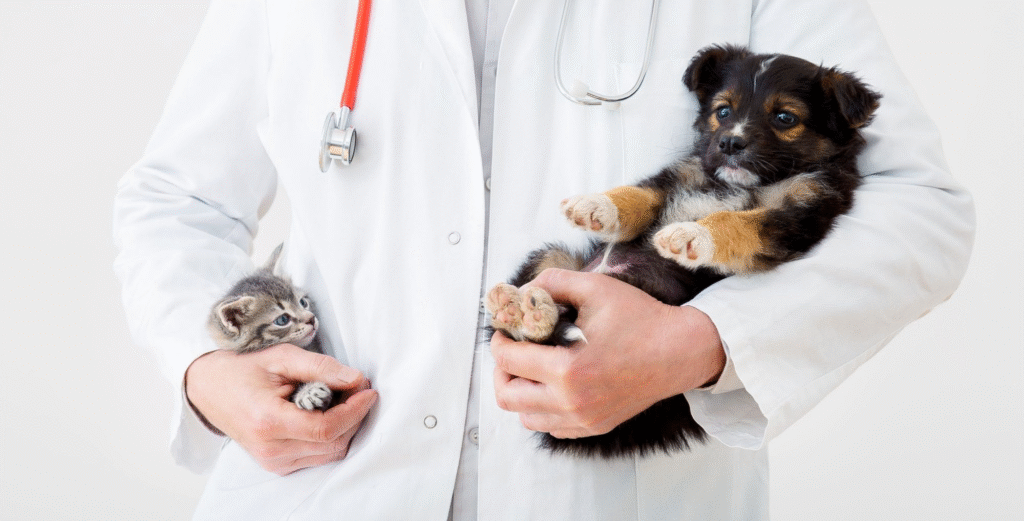
Pet health is a cornerstone of responsible pet ownership, encompassing physical well-being, mental stimulation, proper nutrition, and preventive care. When pets are healthy, they not only live longer but also experience a higher quality of life. Just like humans, pets require regular health checkups and a lifestyle tailored to their unique needs. Pet owners must recognize the importance of early disease d 寵物保健 etection and consistent wellness routines to keep their furry, feathered, or scaly friends thriving in all seasons of life.
A balanced diet is one of the most critical aspects of pet health. Different species and breeds have varying dietary needs, which should be met with carefully chosen commercial or homemade food. Dogs and cats, for instance, need specific nutrients like taurine and omega-3 fatty acids to support organ function, immune health, and coat quality. Overfeeding, or feeding pets human foods high in fat and salt, can lead to obesity, pancreatitis, or long-term organ damage. Regular feeding schedules and access to clean water also play a vital role in digestive health and energy regulation for pets of all ages.
Preventive care goes a long way in avoiding expensive treatments and chronic suffering. Annual vet visits allow for vaccinations, dental exams, and the early detection of issues like arthritis, diabetes, or heart disease. Parasite control is another critical component, as ticks, fleas, and worms can cause discomfort and transmit serious diseases. Pet owners are advised to maintain an up-to-date vaccination record and use veterinarian-approved flea and tick preventatives. Microchipping and pet insurance are additional measures that contribute to a pet’s long-term safety and well-being.
Exercise and mental stimulation are vital for both physical and emotional health. Dogs benefit greatly from daily walks, play sessions, and interactive toys that prevent boredom-related behaviors such as chewing or barking. Cats also need environmental enrichment in the form of climbing structures, scratching posts, and puzzle feeders. Small mammals, reptiles, and birds require appropriate habitat setups that mimic their natural environments. These activities strengthen the bond between pet and owner, reduce anxiety, and help prevent lifestyle diseases such as obesity and depression.
Grooming and hygiene are often underestimated but crucial for maintaining pet health. Regular brushing prevents matting and promotes circulation, while dental hygiene—through brushing or dental treats—wards off periodontal disease, which can affect vital organs over time. Bathing, nail trimming, and ear cleaning are all part of a regular care routine that keeps pets comfortable and infection-free. Grooming also offers a chance to inspect the pet for lumps, injuries, or parasites that might otherwise go unnoticed.
Lastly, a pet’s emotional health is just as important as physical wellness. Pets can suffer from stress, anxiety, and loneliness, especially in households where owners are away for long periods. Creating a routine, providing companionship, and using calming aids or professional training when needed can significantly improve a pet’s mental state. Rescue pets, senior animals, and those with medical conditions may require special attention, but with patience and care, they can flourish in a loving home. By committing to comprehensive and consistent care, pet owners not only extend the lives of their companions but also ensure that every moment spent together is full of joy and vitality.
Be First to Comment