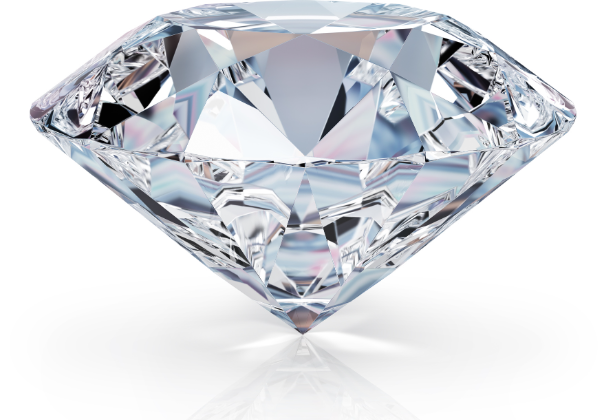
Diamonds have captivated human imagination for centuries, symbolizing beauty, wealth, power, and eternal love. Formed deep within the Earth under immense heat and pressure, diamonds are the hardest known natural material, making them not only visually stunning but also scientifically remarkable. Their unique physical properties and brilliant sparkle have made them a coveted gemstone across ci 人工鑽石 vilizations and cultures. Whether showcased in engagement rings, royal crowns, or fashion accessories, diamonds hold a timeless allure that continues to shine brightly in the modern era. Their mystique is only amplified by their rarity and the complex journey each stone takes from the depths of the Earth to the surface.
The journey of a diamond begins billions of years ago when carbon atoms deep in the Earth are subjected to extreme conditions, transforming into crystals through a process that can take millions of years. These crystals are brought closer to the Earth’s surface through volcanic eruptions, embedded in rocks known as kimberlite. Today, diamond mining is conducted in regions such as Africa, Russia, Canada, and Australia. Each region produces stones with distinct characteristics. The extraction and processing of diamonds involve multiple stages, from rough sorting and cutting to polishing, all of which require meticulous craftsmanship to unlock the gem’s brilliance.
Grading diamonds is an essential part of the industry, and it’s guided by the universally accepted “Four Cs” — carat, cut, color, and clarity. Carat refers to the weight of the diamond, while cut determines how well the stone reflects light. Color evaluates the absence of color in white diamonds, and clarity assesses internal and external flaws. A perfect diamond is rare and highly valuable, but even imperfect stones can possess stunning beauty when skillfully cut. Advanced technology and expert gemologists work together to assess each diamond’s unique properties, ensuring buyers receive a quality product that matches their expectations and investment.
In recent years, the rise of lab-grown diamonds has brought a revolutionary change to the market. These diamonds are created using high-tech methods that replicate natural formation processes in controlled environments. Chemically and physically identical to mined diamonds, lab-grown stones have become popular due to their lower environmental impact and ethical production. Many consumers now consider them a responsible alternative, as they avoid the complex issues sometimes associated with traditional diamond mining, including ecological disruption and labor concerns. As technology advances, the quality and affordability of lab-grown diamonds continue to improve, making them an appealing option for a broader audience.
Beyond their use in jewelry, diamonds serve critical roles in various industrial and scientific fields. Their unmatched hardness makes them ideal for cutting, drilling, and grinding tools. In the medical sector, diamonds are used in high-precision surgical instruments, while in electronics, they help develop advanced semiconductors due to their thermal conductivity. Their contribution to technological innovation highlights their value beyond luxury, revealing a dual nature that combines elegance with utility. The growing interest in using diamonds in renewable energy and high-performance engineering further underscores their potential in shaping the future.
Ultimately, the diamond remains a powerful symbol of enduring value. Whether gifted as a token of love, used in industrial applications, or admired for its geological history, the diamond’s appeal is universal and timeless. Its journey from raw carbon to polished brilliance reflects a transformation that mirrors human aspiration and creativity. As society evolves and values shift, the diamond industry is also adapting, embracing sustainable practices and inclusive access. Despite these changes, the diamond’s core identity — as a representation of strength, purity, and everlasting beauty — continues to shine, making it an enduring gemstone for generations past, present, and future.
Be First to Comment