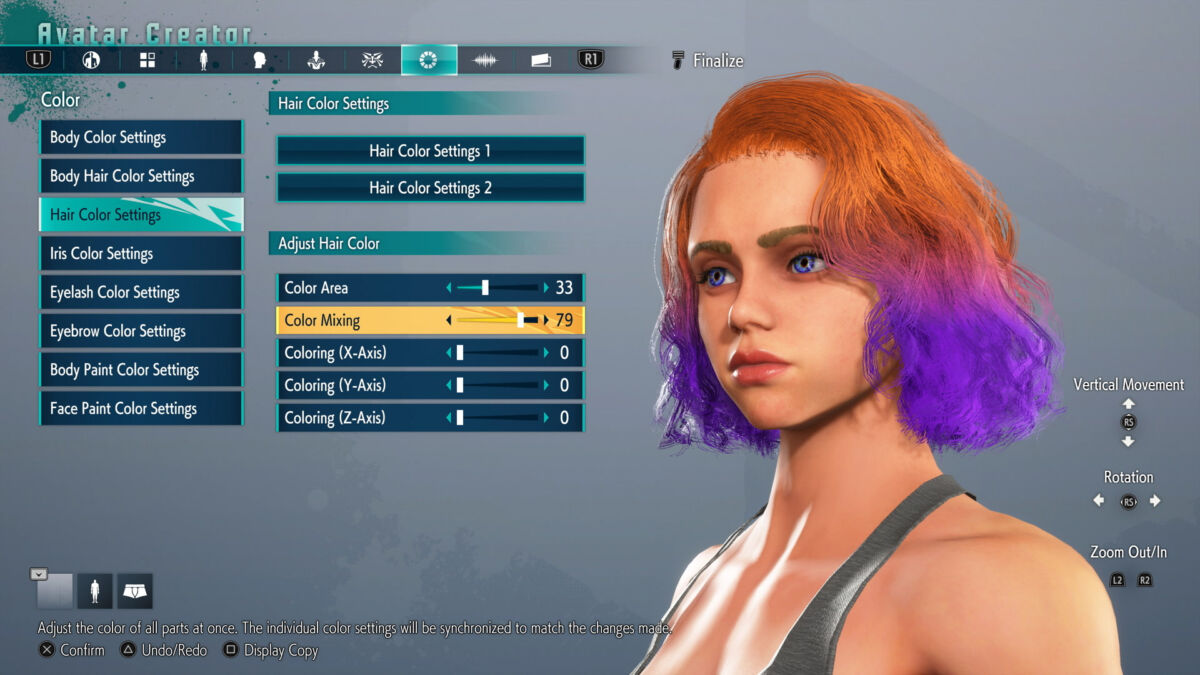
Creating a digital avatar is more than just picking out a hairstyle and hitting “save. ” It’s about designing a virtual version of yourself that captures your personality, vibe, and the image you want to share with the world. Whether you’re building a brand, gaming with friends, or joining virtual meetings, your avatar is often the first thing people notice. That’s why avatar customization has become a creative create an ai avatar process — and an essential part of building your online identity. In this guide, we’ll walk you through tips to create a truly unique digital you.
The first step in avatar customization is understanding your purpose and platform. Are you using your avatar for gaming, professional meetings, live streams, or social media? Each platform has a slightly different audience and tone. For example, a bold, fantasy-inspired avatar might be perfect for Twitch or VRChat, but a more polished and relatable look could be better suited for Zoom meetings or LinkedIn profiles. Define your avatar’s purpose early so your choices reflect the right tone.
Next, focus on getting the foundational features right. Choose skin tone, face shape, and body type that either reflects you in real life or the version of yourself you want to present online. Many people aim for a semi-realistic style — familiar enough to be recognized, but still enhanced to feel creative. If your platform supports it, use facial mapping tools to generate a base model from a photo and fine-tune it from there. Remember: these basics set the stage for your avatar’s whole look.
One of the best ways to add personality is through hairstyles, outfits, and accessories. This is where your avatar really starts to feel like you. Whether it’s a bold fashion choice, a signature color palette, or a unique pair of glasses, little details can make a big impact. Mix and match styles to reflect your personality — are you casual, edgy, professional, or playful? Don’t be afraid to experiment. The best avatars often blend real-world traits with fun, aspirational elements.
To take your avatar from good to great, add facial expressions, poses, and even motion (if your platform allows it). A smiling avatar with an open posture will feel more approachable, while a confident stance can communicate strength or authority. If you’re creating an avatar for content creation or streaming, expressions and body language can become part of your brand. Some platforms even allow your avatar to mimic your real-time facial movements for a more dynamic presence.
Finally, don’t forget to stay consistent across platforms. Once you’ve built your custom avatar, use it everywhere — on your social media, gaming profiles, Youtube thumbnails, or business cards. Consistency builds recognition and trust. As your online identity evolves, you can update your avatar to reflect changes in your personal style or branding. But keeping some key features — like color themes, hairstyle, or accessories — can help maintain that unique “you” feel across all your digital spaces.
In the digital age, standing out means being intentional. Avatar customization gives you the freedom to shape how the world sees you — authentically, creatively, and on your terms. With just a few thoughtful choices, you can turn a generic model into a one-of-a-kind digital version of yourself. So dive in, explore the tools at your fingertips, and build an avatar that doesn’t just look good — but feels like you.
Be First to Comment