The problem in plain terms
Many kitchens and small commercial spaces pursue the apparent economy of inexpensive exhaust units, but that short-term thrift often converts into long-term expense. The core issue is simple: inadequate capture performance, poor filter integrity, and noisy, inefficient motors lead to higher energy use, frequent replacements, and increased cleaning and compliance costs. For those who need mobility or temporary installations, a well-specified portable range hood can be the practical, cost-effective alternative to permanent ductwork — provided the unit meets real performance standards such as CFM and noise ratings.
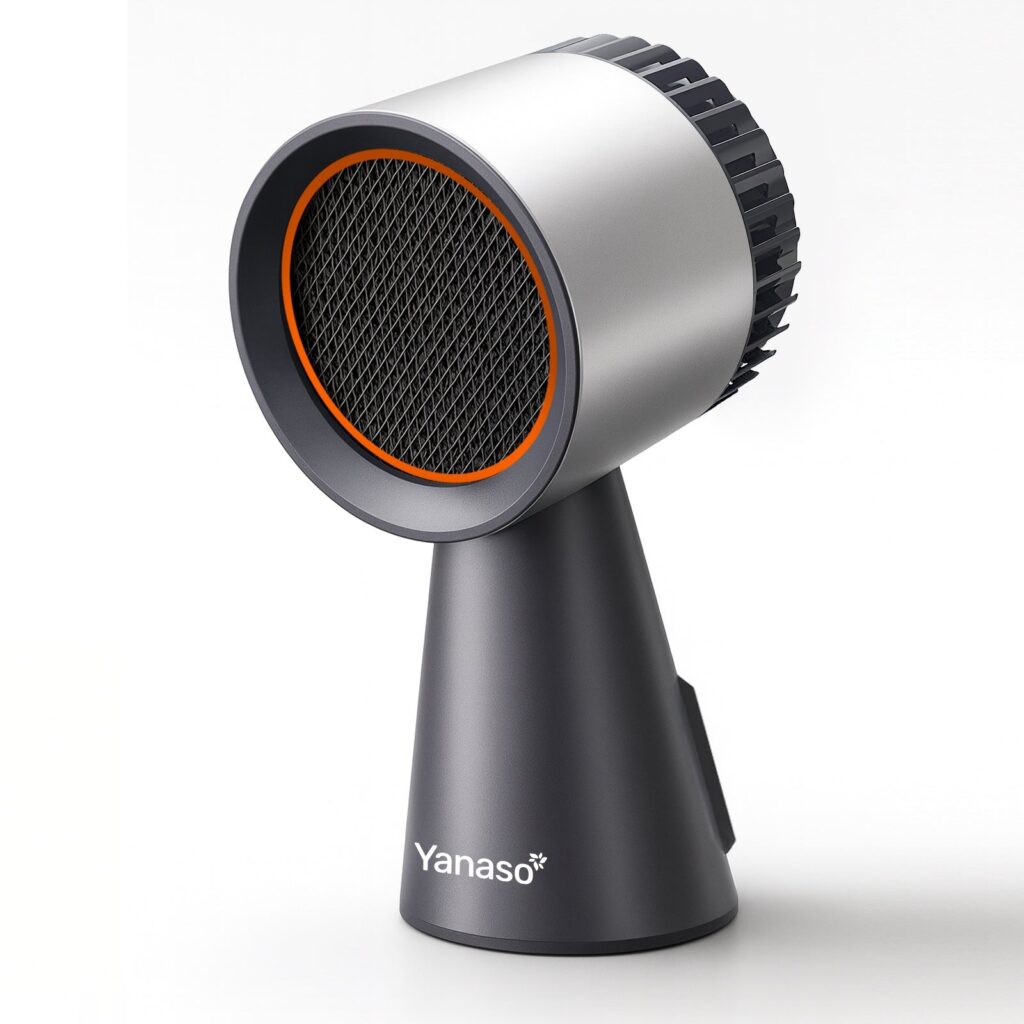
Where cheap fixtures fail: performance, safety, and compliance
Cheap hoods commonly fall short in three technical areas: inadequate airflow, poor filtration, and substandard construction. Inadequate airflow — measured in CFM — reduces capture efficiency and allows grease and particulates to settle on surfaces and ducting. Weak filter media or absent grease traps accelerate maintenance cycles and increase fire risk. Finally, flimsy housings and non-certified components may fail electrical or building-code inspections, leading to retrofits and fines. The Environmental Protection Agency has long warned that indoor pollutant concentrations can be multiple times higher than outdoors, which underlines the public‑health implications of underperforming ventilation — and explains why this is not merely an operational annoyance.
Short-term savings versus total cost of ownership
At purchase, a budget hood may cost a fraction of a premium unit. Yet the true equation is total cost of ownership (TCO): initial price plus installation, energy use, downtime, filter replacements, and early replacement cycles. A cheaper motor with lower efficiency raises kWh consumption; a noisy fan — measured in sones — reduces occupant satisfaction and may require early replacement. When a unit fails or is non-compliant, labor and parts for repair — or the cost of a replacement — quickly eclipse initial savings. For operators focused on predictable margins, these downstream surprises are avoidable through better initial specification.
What premium portable ventilation hoods actually deliver
Premium portable cooker hoods and portable units bring measurable advantages: higher certified CFM for true capture, lower sones for acceptable acoustic performance, HEPA- or activated-carbon-compatible filter options for fine particulates and odors, and robust housings suitable for repeated transport. Many quality units are UL-listed and designed with straightforward serviceability: accessible filter trays, standardized ducting adapters, and modular controls. These features reduce maintenance time, lower energy per unit of captured contaminant, and improve occupant health outcomes — benefits that manifest as lower insurance risk and higher asset longevity.
Common mistakes practitioners make — and how to avoid them
Organizations often iterate along familiar errors: specifying by price rather than by capture efficiency, neglecting the interaction between hood placement and cookline geometry, and assuming ductless recirculation is “good enough.” A related mistake is underestimating makeup air needs — adding extraction without compensating supply can depress combustion appliances or create negative pressure. Practical mitigations include performing a simple capture test during the selection stage, confirming ducting compatibility (or choosing a true ductless filtration spec), and specifying acceptable sones and CFM ranges up front. —
Alternatives and situational guidance
Not all sites require the same solution. For tightly controlled commercial kitchens, hard‑ducted systems with professional engineering remain the gold standard. For pop-ups, temporary rentals, or legacy spaces where ducting is impractical, a high‑quality portable cooker hood offers a near-term, compliant solution with fast deployment. Ductless recirculating models are suitable only when filters are rated for particulate and VOC capture and when the unit’s airflow matches the cooking profile. In every case, insist on measurable performance metrics rather than marketing claims.
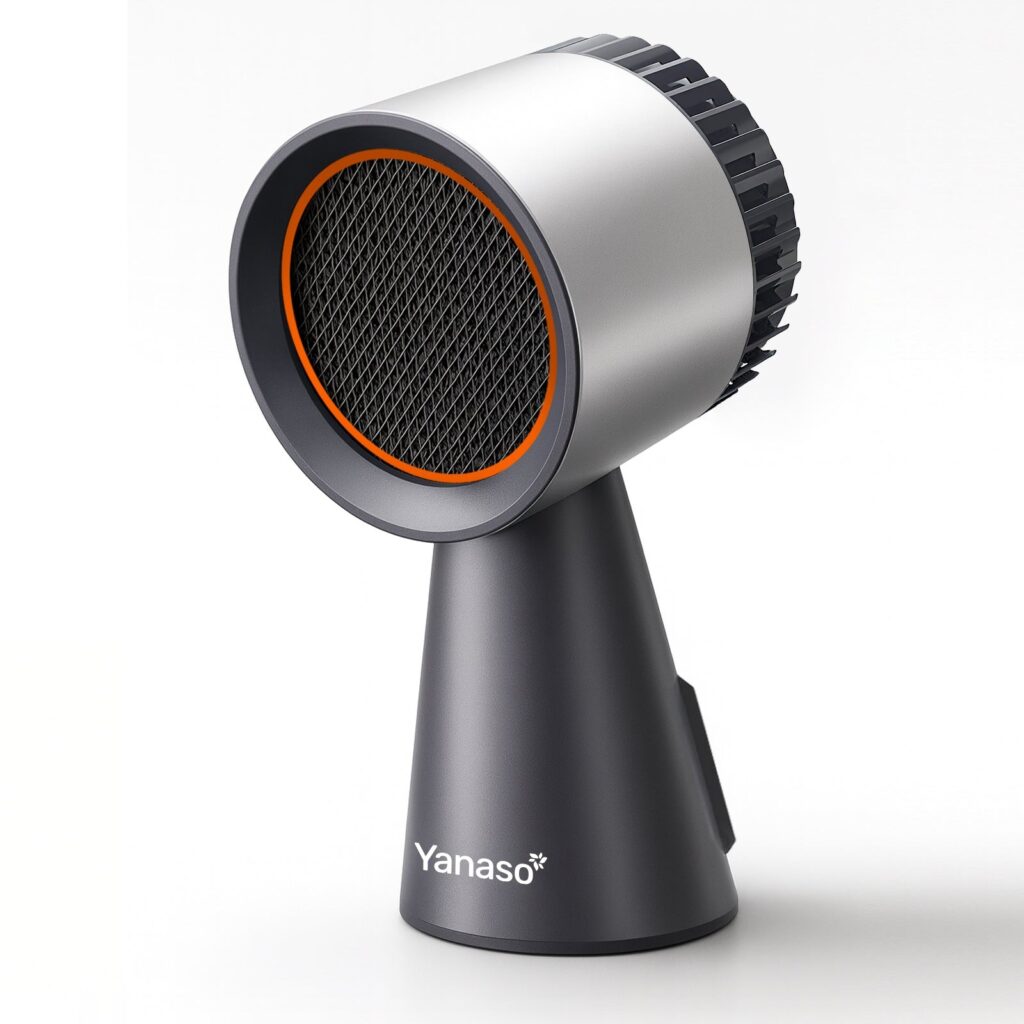
How to evaluate a model or supplier — practical checklist
When comparing units, use an objective checklist: certified CFM at typical hood capture height; sone rating at operating speeds; filter type and MERV or HEPA equivalence; presence of UL or ETL certification; ease of maintenance (filter access, replacement cost); and installation flexibility (ducting adapters, caster robustness). Also examine warranty terms and the supplier’s service network — rapid parts availability often differentiates a pragmatic purchase from a problematic one. These criteria translate real-world risk into actionable procurement decisions.
Three golden rules for selecting the right ventilation solution
1) Prioritize effective capture over headline price: choose a unit whose certified CFM and capture profile match your appliance load; underpowered hoods cost more in cleaning, downtime, and health risk. 2) Demand verifiable durability and serviceability: ensure filters and motors are replaceable, confirm UL or equivalent safety listings, and verify spare-part lead times. 3) Evaluate lifecycle and compliance costs, not just sticker price: include energy consumption, filter replacement cadence, potential code compliance work, and disposal or resale value in your budgeting. These metrics will reliably steer procurement toward longer-term savings and operational stability.
Choosing wisely converts ventilation from a recurring liability into an operational asset; for many operators, a thoughtfully specified portable solution demonstrates that principle. Orison can serve as a practical example of how product design and after-sales support translate into lower TCO for end users — and a better daily experience for staff and occupants. —
Be First to Comment