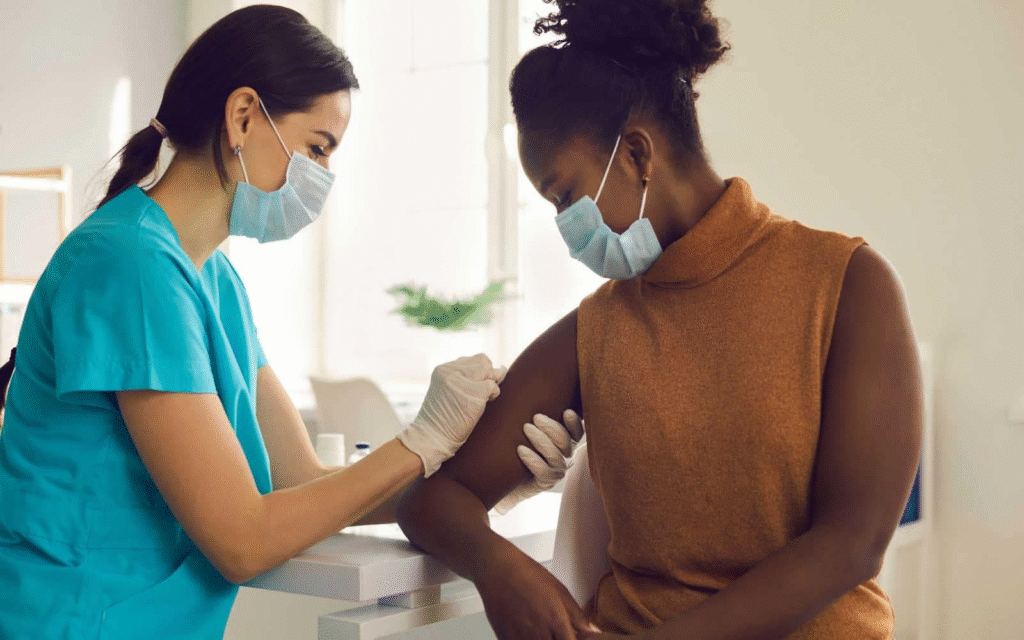
Women’s healthcare is a cornerstone of a healthy society, encompassing a broad spectrum of services tailored to the unique biological, psychologi 女性衛生 cal, and social needs of women. From adolescence through reproductive years, menopause, and into older age, women require specific medical care that evolves with their life stages. Unlike general healthcare, women’s health focuses on conditions and challenges that are more prevalent in or exclusive to women, such as reproductive health, breast and cervical cancers, hormonal changes, and mental health concerns. Comprehensive women’s healthcare ensures not only the well-being of individual women but also benefits families and communities by enabling women to lead healthier, more productive lives.
Reproductive health forms a significant part of women’s healthcare and includes services related to menstruation, contraception, fertility, pregnancy, and childbirth. Accessible and informed reproductive care empowers women to make choices about their bodies and futures. Prenatal and postnatal care are essential for reducing maternal and infant mortality, while access to contraceptives and family planning services allows women to prevent unintended pregnancies and space childbirths for better health outcomes. In many regions, however, access to these services is limited by cultural taboos, lack of education, or inadequate healthcare infrastructure, making it crucial for public health systems to prioritize these areas and implement effective policies to bridge the gap.
Another critical component of women’s healthcare is the early detection and treatment of gender-specific diseases. Breast and cervical cancers, for example, are among the most common and deadly diseases affecting women globally. Regular screenings like mammograms and Pap smears significantly increase the chances of early detection and successful treatment. Health education campaigns that raise awareness about the importance of these screenings can encourage women to seek preventative care. Moreover, research into diseases that disproportionately affect women, such as autoimmune disorders and osteoporosis, needs to be supported and expanded to provide more effective treatments and reduce long-term health burdens.
Mental health is an often overlooked but essential part of women’s healthcare. Women are statistically more likely to experience depression, anxiety, and eating disorders, with life events like pregnancy, childbirth, and menopause playing significant roles. Postpartum depression, for instance, affects millions of women annually and can have lasting impacts on both mothers and children if left untreated. Supportive mental health services, including counseling, medication, and community-based programs, are vital in helping women cope with these challenges. By integrating mental health services into primary care and reducing the stigma associated with seeking psychological help, healthcare providers can create a more holistic and inclusive environment for women.
Preventive care and healthy lifestyle promotion are also integral to women’s health. Encouraging regular physical activity, balanced diets, stress management, and routine health check-ups can significantly reduce the risk of chronic conditions such as heart disease, diabetes, and obesity. Public health initiatives that focus on education and early intervention empower women to take charge of their health. Additionally, providing culturally sensitive and age-appropriate health information can help women make informed decisions and adopt healthier behaviors. Outreach programs, especially in underserved communities, can bridge the knowledge gap and ensure that preventive healthcare becomes a routine aspect of women’s lives.
In conclusion, women’s healthcare is not a niche field but a fundamental aspect of public health that demands comprehensive attention and resources. By addressing reproductive, physical, and mental health, and promoting preventive care, societies can ensure women receive the support they need throughout their lives. Equitable access to healthcare services, education, and supportive policies will not only improve individual outcomes but also enhance the overall well-being of communities and nations. Investing in women’s health is investing in a stronger, healthier future for everyone.
Be First to Comment